Albertsons
Leading Design Across a Fast-Growing Commerce Experience
Role
Director of Product Design
2021–2022
Scope
Design · UX Research · Content Strategy
Discovery · Loyalty · Checkout · Personalization
Web & Mobile Commerce · Payments · Delivery · Promotions
Context
Multi-brand grocery platform
Rapid COVID-era growth
Highly matrixed org + legacy systems
Executive Summary
I joined Albertsons in early 2021, when COVID was in full swing. The company had not established a modern digital platform prior to 2020, and it was sprinting to catch up. A new Chief Digital Officer was hired six months ahead of my time, and the organization was scaling quickly. Multiple teams were moving in parallel but there was not a cohesive experience or consistent ways or working.
I led across discovery, loyalty and checkout, as well as UX research and content strategy, supporting a multi-brand commerce platform spanning 20+ grocery banners. My role was to scale and structure the design organization while establishing team practices, while bringing coherence to the fragmented experience shaped by legacy systems, business-driven constraints, and a newly-launched mobile app with a divergent design approach.
I built a multidisciplinary team, established shared practices, and integrated research and content strategy into full-cycle product development. In parallel, I worked closely with product, engineering, and business partners to align experiences and support the rollout of key capabilities: delivery scheduling, expanded payment options including SNAP, improved couponing, and subscription services.
In the end, this was about building a team and a system that could hold together, move quickly, and deliver at a higher level.
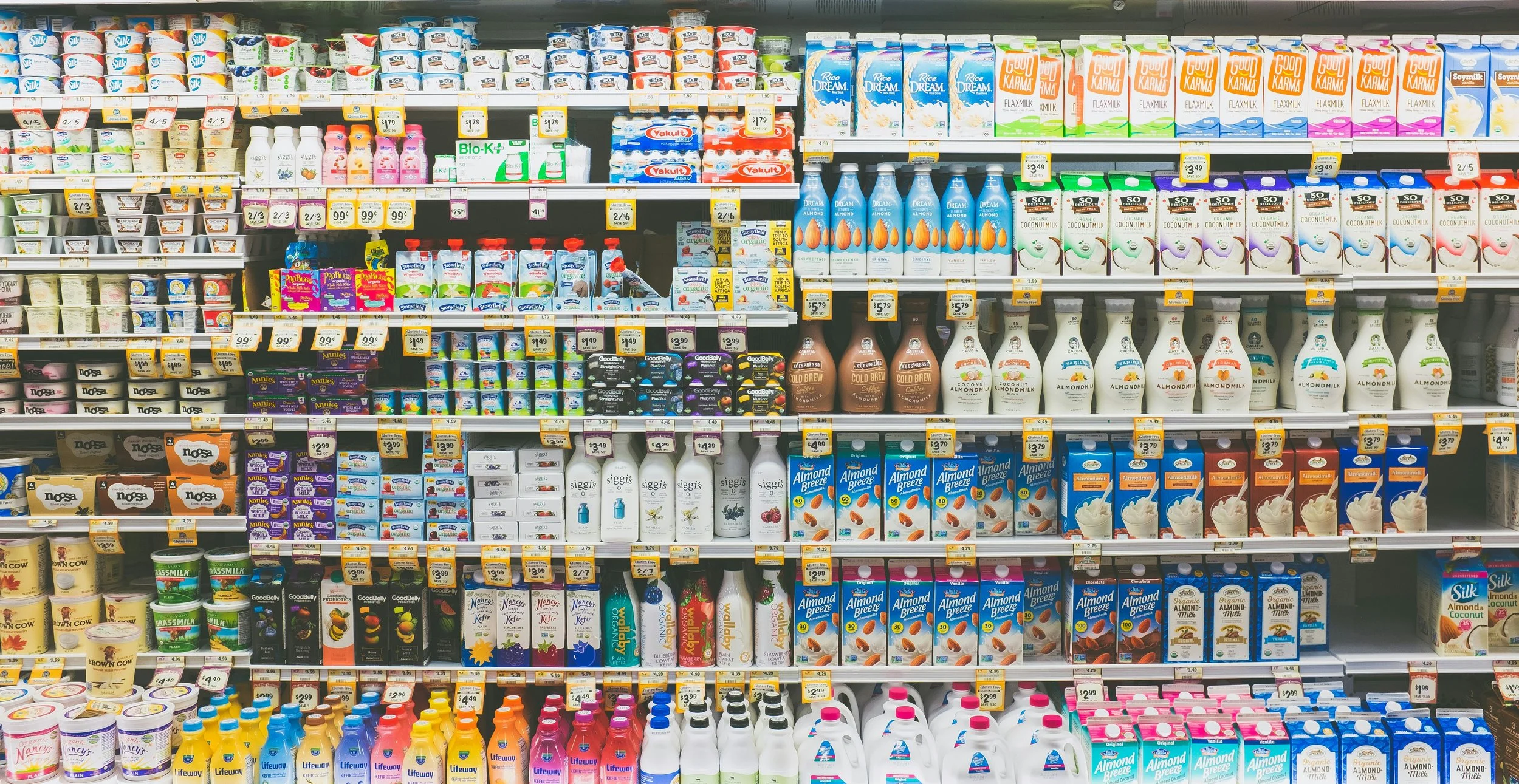
Albertsons’ digital platform was not a single product, but a collection of tightly coupled systems—discovery, coupons, loyalty, checkout, payments, and delivery—each owned by different teams and influenced by business priorities such as promotions and merchandising. The experience was fragmented, and the organization was scaling quickly to meet pandemic-driven demand, while operating within the constraints of Adobe Experience Manager and a highly matrixed structure. In this environment, improving the experience was less about designing features and more about bringing alignment across systems, teams, and priorities.
A Complex System, Moving Fast
Building the Team
When I joined Albertsons, the design organization was in a period of rapid growth and transition. Leadership had recently changed, new team members were onboarding quickly, and the shift to remote work made it difficult for the team to build cohesion. Core functions like UX research and content strategy were present but underdeveloped, with limited structure or integration into product work.
I had the opportunity to rework the org chart; this allowed me to provide clear lines of ownership for the team, and establish something new to ACI: a multidisciplinary organization spanning product design, UX research, and content strategy. Later, I hired a UX research manager to establish leadership and direction for that function.
At the same time, I introduced ways for the team to operate more cohesively. This included creating opportunities for cross-team visibility, establishing regular touchpoints for collaboration, and organizing in-person gatherings that helped build relationships across working pods.
Rather than functioning as separate contributors across domains, the team began to operate as a coordinated group with a shared understanding of goals, standards, and priorities.
As a result, we were a more aligned and engaged design organization, better equipped to support rapid product development across multiple domains and teams.
How We Worked
Albertson’s growing team was scattered, and each pillar had a different method of engaging with design.
I normalized how to work with my teams across pillars. Working with other directors, I drew out and organized clear ownership and design cadences—Planning, Executing, Collaborating—which greatly improved our teams’ speed and ultimately, design quality.
Also, with our multi-disciplinary team in place, we could now embed research and content strategy within the product cycle. I worked with the product team to make sure we had proper kick-offs with problems defined, goals described, and key milestones penciled in. Our UX writers were now part of the complete product cycle, which improved the quality of the copy and their working rhythm. Our research team could better identify what types of research was needed for each project, and plan more effectively.
Making the Experience Work as a System
The biggest challenge was to make the ecosystem feel natural and consistent. I evangelized my vision for the new Albertsons across projects, threading together changes to create a coherent experience. My teams were working on separate projects, so I structured collaboration between key designers to ensure streamlined improvements.
Coupons, and how to show deals, is core to the Albertsons customer. The business relies on high engagement with coupons and it is not always straightforward. Our job was to make the discounts easy and obvious, and to tally it up at the end in a way that made sense for all our customers and use cases.
Work like this was supported by my UXR team, who provided research at the beginning and end of the coupon flow rollout.
This is just one example of how my teams worked together, spanning complex use cases and high craft, to release holistic experiences.
Business and Experience Impact
As each of my teams designed, we baked in discussion of outcomes across our workflow. I was helped by a clear top-down OKR structure, which we contributed to during quarterly planning.
“We aspire to enrich communities and foster human connection with the most engaging and most frequented food (and related categories) destination in the world.”
This laddered to my team’s key initiatives.

This work contributed to improvements in conversion, basket size, and repeat purchase behavior across a complex, multi-banner ecosystem.
When you work with me
You get a leader who listens, learns, and adapts. I continually strive to be an exemplary leader and designer, and work to:
Translate business goals into clear product and experience decisions
Build systems that scale across teams, surfaces, and use cases
Stay close to execution while shaping long-term direction
Design for clarity, trust, and real-world behavior